Back

Selection

Activated Carbon in Gold Recovery: From Leach Solution to Bullion

Activated Carbon in Gold Recovery: From Leach Solution to Bullion

Activated Carbon in Gold Recovery: From Leach Solution to Bullion

Manufacturing materials in storage

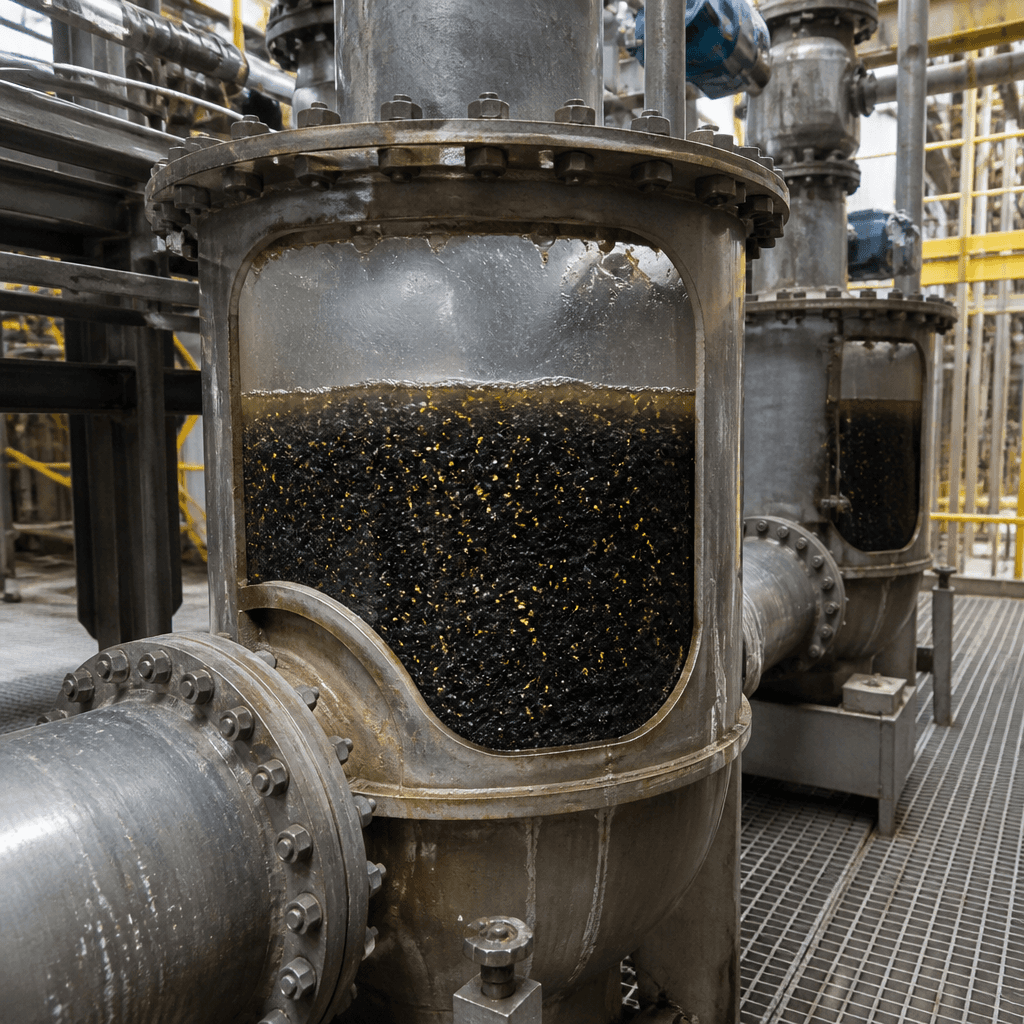
Activated carbon is at the heart of modern gold recovery. It captures dissolved gold from cyanide leach solutions across CIP, CIL, CIC, heap leaching, and elution circuits. Coconut shell activated carbon has become the industry standard because of its exceptional hardness, low attrition, and high gold-loading capacity. The right carbon helps recover more gold, reduces operating costs, and improves the overall efficiency of the recovery process.


Recovering gold isn't just about extracting it from ore; it's about capturing as much of that dissolved gold as possible before it leaves the process. That's where activated carbon comes in.


In modern gold processing plants, activated carbon is used to adsorb dissolved gold from cyanide leach solutions, making it possible to recover the precious metal efficiently. Its performance directly influences how much gold is recovered, how much is lost, and how efficiently the plant operates.


Among the different types of activated carbon available, coconut shell activated carbon is widely preferred by mining operations. Its high hardness, optimised pore structure, and excellent resistance to abrasion allow it to withstand demanding operating conditions while consistently delivering high gold recovery.

Female skateboarder in air, friend drinks on ledge.
Two smiling women looking at a smartphone together.

Activated Carbon in Gold Recorvey

In a gold recovery circuit, carbon is a critical process component. Every time carbon particles break down into fines, they can carry valuable gold into the tailings. Likewise, carbon that loses its adsorption efficiency too quickly needs frequent replacement, increasing operating costs.


Choosing a high-quality activated carbon helps mining operations:

  • Maximise overall gold recovery by efficiently adsorbing dissolved gold.

  • Reduce gold losses caused by carbon fines and attrition.

  • Extend carbon life across multiple regeneration cycles, lowering replacement costs.

  • Improve elution efficiency, allowing gold to be stripped from loaded carbon more effectively.

  • Maintain stable plant performance with consistent adsorption characteristics.

  • Improve overall profitability through lower total operating costs.


Even small improvements in carbon performance can have a significant financial impact when processing thousands of tonnes of ore every day.


Activated Carbon Uses in Gold Recovery

Activated carbon plays a role throughout the gold recovery process, supporting different recovery methods depending on the plant design.

  • Carbon-in-Pulp (CIP): Adsorbs dissolved gold after the leaching stage.

  • Carbon-in-Leach (CIL): Combines leaching and gold adsorption in the same tanks, improving process efficiency.

  • Carbon-in-Column (CIC): Recovers gold from clarified solutions, commonly used in heap leach operations.

  • Heap Leaching: Extracts gold from pregnant leach solutions produced during heap leaching.

  • Elution Circuits: Loaded carbon is stripped using Zadra or AARL elution systems before being regenerated.

  • Gold Refining: Supports the recovery and purification of precious metals before final bullion production.


Why Coconut Shell Activated Carbon is the Industry Benchmark

Coconut shell activated carbon has become the preferred choice because its physical properties match the demanding conditions inside gold recovery circuits. 


Its advantages include:

  • Exceptional hardness that withstands continuous agitation, pumping, and screening.

  • High abrasion resistance, reducing carbon breakdown and minimising gold losses through fines.

  • Optimised microporous structure that efficiently captures gold-cyanide complexes.

  • Low platelet formation helps maintain stable recovery performance over time.

  • Excellent regeneration characteristics, allowing the carbon to be reused through multiple operating cycles.

  • Consistent quality, resulting in predictable adsorption performance from batch to batch.


These characteristics help mining operations recover more gold while lowering long-term operating costs.


Recommended Product

Granular Activated Carbon (GAC) is the preferred product for gold recovery applications. Its larger particle size allows it to withstand the constant movement inside CIP and CIL tanks while providing an ideal pore structure for efficient gold adsorption. It also separates easily from slurry using screening systems and performs well through repeated regeneration cycles.


Depending on plant design, commonly used particle sizes include 6×12, 6×16, 8×16, and 8×30 mesh, with the final selection based on process requirements and screening efficiency.


Typical Gold Recovery Process

The role of activated carbon becomes clearer when viewed within the overall recovery process:

Ore → Crushing & Grinding → Cyanide Leaching → CIP / CIL / CIC → Activated Carbon Adsorbs Gold → Loaded Carbon → Elution (Zadra / AARL) → Electrowinning → Smelting → Gold Bullion


At every stage after leaching, the quality of the activated carbon influences how much gold ultimately reaches the final bullion.


Benefits of Activated Carbon in Gold Recovery Operations

Selecting the right activated carbon delivers measurable operational benefits beyond simple adsorption.


Mining operations can expect:

  • Higher gold recovery through faster adsorption kinetics.

  • Lower carbon consumption because of longer service life.

  • Reduced operating costs with fewer carbon replacements.

  • Better plant productivity through consistent process performance.

  • Lower total cost of ownership across multiple regeneration cycles.


In large-scale gold operations, these improvements can translate into significant cost savings and increased recovery over the life of the mine.

Activated Carbon in Gold Recorvey

In a gold recovery circuit, carbon is a critical process component. Every time carbon particles break down into fines, they can carry valuable gold into the tailings. Likewise, carbon that loses its adsorption efficiency too quickly needs frequent replacement, increasing operating costs.


Choosing a high-quality activated carbon helps mining operations:

  • Maximise overall gold recovery by efficiently adsorbing dissolved gold.

  • Reduce gold losses caused by carbon fines and attrition.

  • Extend carbon life across multiple regeneration cycles, lowering replacement costs.

  • Improve elution efficiency, allowing gold to be stripped from loaded carbon more effectively.

  • Maintain stable plant performance with consistent adsorption characteristics.

  • Improve overall profitability through lower total operating costs.


Even small improvements in carbon performance can have a significant financial impact when processing thousands of tonnes of ore every day.


Activated Carbon Uses in Gold Recovery

Activated carbon plays a role throughout the gold recovery process, supporting different recovery methods depending on the plant design.

  • Carbon-in-Pulp (CIP): Adsorbs dissolved gold after the leaching stage.

  • Carbon-in-Leach (CIL): Combines leaching and gold adsorption in the same tanks, improving process efficiency.

  • Carbon-in-Column (CIC): Recovers gold from clarified solutions, commonly used in heap leach operations.

  • Heap Leaching: Extracts gold from pregnant leach solutions produced during heap leaching.

  • Elution Circuits: Loaded carbon is stripped using Zadra or AARL elution systems before being regenerated.

  • Gold Refining: Supports the recovery and purification of precious metals before final bullion production.


Why Coconut Shell Activated Carbon is the Industry Benchmark

Coconut shell activated carbon has become the preferred choice because its physical properties match the demanding conditions inside gold recovery circuits. 


Its advantages include:

  • Exceptional hardness that withstands continuous agitation, pumping, and screening.

  • High abrasion resistance, reducing carbon breakdown and minimising gold losses through fines.

  • Optimised microporous structure that efficiently captures gold-cyanide complexes.

  • Low platelet formation helps maintain stable recovery performance over time.

  • Excellent regeneration characteristics, allowing the carbon to be reused through multiple operating cycles.

  • Consistent quality, resulting in predictable adsorption performance from batch to batch.


These characteristics help mining operations recover more gold while lowering long-term operating costs.


Recommended Product

Granular Activated Carbon (GAC) is the preferred product for gold recovery applications. Its larger particle size allows it to withstand the constant movement inside CIP and CIL tanks while providing an ideal pore structure for efficient gold adsorption. It also separates easily from slurry using screening systems and performs well through repeated regeneration cycles.


Depending on plant design, commonly used particle sizes include 6×12, 6×16, 8×16, and 8×30 mesh, with the final selection based on process requirements and screening efficiency.


Typical Gold Recovery Process

The role of activated carbon becomes clearer when viewed within the overall recovery process:

Ore → Crushing & Grinding → Cyanide Leaching → CIP / CIL / CIC → Activated Carbon Adsorbs Gold → Loaded Carbon → Elution (Zadra / AARL) → Electrowinning → Smelting → Gold Bullion


At every stage after leaching, the quality of the activated carbon influences how much gold ultimately reaches the final bullion.


Benefits of Activated Carbon in Gold Recovery Operations

Selecting the right activated carbon delivers measurable operational benefits beyond simple adsorption.


Mining operations can expect:

  • Higher gold recovery through faster adsorption kinetics.

  • Lower carbon consumption because of longer service life.

  • Reduced operating costs with fewer carbon replacements.

  • Better plant productivity through consistent process performance.

  • Lower total cost of ownership across multiple regeneration cycles.


In large-scale gold operations, these improvements can translate into significant cost savings and increased recovery over the life of the mine.

Abstract glass progressive pride flag design

Conclusion


Activated carbon is more than a process material; it directly influences gold recovery, plant efficiency, and operating costs. Choosing the right carbon helps maximise recovery, minimise losses, and deliver consistent performance across every stage of the recovery circuit. 

Looking for activated carbon engineered for demanding gold recovery applications? Our technical team can help you select the right grade for your process, ensuring reliable performance from adsorption through regeneration. Get in touch to discuss your application and find the best solution for your recovery process.

Head Office

1604 Lodha Supremus,

Dr. E. Moses Road, Worli,

Mumbai, Maharashtra,

400 018 India

Manufacturing Plant

Plot Nos. R28 - R30,

SIPCOT Industrial Area

Perundurai, Dist. Erode,

Tamil Nadu

638 052 India

Head Office

1604 Lodha Supremus,

Dr. E. Moses Road, Worli,

Mumbai, Maharashtra,

400 018 India

Manufacturing Plant

Plot Nos. R28 - R30,

SIPCOT Industrial Area

Perundurai, Dist. Erode,

Tamil Nadu

638 052 India

Head Office

1604 Lodha Supremus,

Dr. E. Moses Road, Worli,

Mumbai, Maharashtra,

400 018 India

Manufacturing Plant

Plot Nos. R28 - R30,

SIPCOT Industrial Area

Perundurai, Dist. Erode,

Tamil Nadu

638 052 India

INDUSTRIES

CAPABILITIES

COMPANY